
Creating a relaxing home workspace can significantly improve your productivity, focus, and overall work satisfaction. When your environment feels calm and inviting, it’s easier to concentrate and maintain motivation throughout the day.
In this post, we’ll explore practical tips to help you design a home workspace that encourages relaxation and maximizes your efficiency.
Why a Relaxing Workspace Matters
Your immediate surroundings influence your mindset and work habits. A cluttered or uncomfortable workspace can lead to stress and distraction, while a well-thought-out area fosters calm and creativity. By dedicating time to create an inviting environment, you set yourself up for a more productive and enjoyable work routine.
Choose the Right Location
Find a Quiet Spot
If possible, select a place in your home that is quiet and free from high traffic or distractions. A corner in a spare room, a section of the bedroom, or even a dedicated nook in the living area can work well. The key is to minimize interruptions.
Consider Natural Light
Natural light boosts mood and energy. Position your desk near a window to take advantage of daylight. If natural light is limited, consider full-spectrum bulbs that mimic daylight to help keep you alert.
Invest in Comfortable Furniture
Select an Ergonomic Chair
Comfortable seating is essential. Choose a chair that supports your back and encourages good posture. Adjustable features allow you to tailor the fit to your body.
Use a Proper Desk
Your desk should be the right height to keep your wrists straight while typing and your feet flat on the floor. Standing desks or adjustable desks can allow you to change positions throughout the day.
Keep It Organized and Clutter-Free
Minimalist Setup
A cluttered desk can overwhelm the mind. Keep only essential items within reach. Use organizers, drawers, or shelves to store supplies neatly.
Cable Management
Tidy cables prevent distractions and accidents. Use clips or cable ties to keep cords out of sight and organized.
Personalize Your Space Wisely
Add Calming Elements
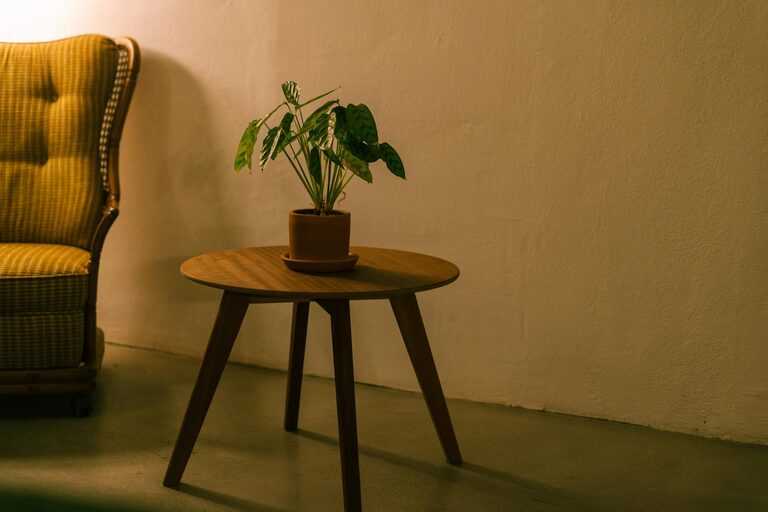
Incorporate items that promote relaxation, such as plants, soft lighting, or artwork with soothing colors. Plants improve air quality and add a natural touch, while warm light lamps reduce harshness.
Avoid Overcrowding
Personal items should be meaningful but not excessive. Too many decorations can cause visual noise and reduce focus.
Manage Noise Levels
Use Headphones or White Noise
If ambient sounds distract you, consider noise-cancelling headphones or play gentle white noise or nature sounds to mask background noise.
Soundproof Your Area
Rugs, curtains, and upholstered furniture help absorb sound and reduce echoes, creating a quieter workspace.
Organize Your Workflow
Plan Your Tasks
Keep a planner, sticky notes, or digital task manager nearby to track your work. Breaking down tasks into manageable steps keeps you focused and less overwhelmed.
Take Regular Breaks
Schedule short breaks to stretch and rest your eyes. A relaxed mind is more productive.
Maintain Good Air Quality
Ventilate Regularly
Open windows when possible to let fresh air circulate. Good ventilation prevents stuffiness and helps keep energy levels up.
Use Air Purifiers
If outdoor air quality is poor or you have allergies, an air purifier can help maintain a cleaner environment.
Set Boundaries
Define Work Hours
Having clear start and end times helps separate work from personal life. This balance contributes to reduced stress and better focus during work sessions.
Communicate with Household Members
Let others know your schedule to minimize interruptions and respect your workspace boundaries.
Final Thoughts
A relaxing home workspace doesn’t happen by chance— it requires intentional effort. By choosing the right location, investing in comfort, keeping your area organized, and incorporating calming elements, you can create an environment that supports your productivity and well-being.
Start small, try different ideas, and adjust based on what makes you feel most comfortable and focused. Your ideal workspace is a personal reflection of your work style and preferences.
With these tips, you’re well on your way to transforming your home office into a productive and peaceful oasis.
Related Posts
Tips for Creating a Productive Home Workspace That Boosts Focus and Comfort
Creating a productive home workspace is essential for anyone working…
Simple Ways to Create a Cozy and Inviting Home Environment
Creating a cozy and inviting home environment doesn’t require a…

Tips for Creating a Cozy and Productive Home Workspace
Creating a home workspace that is both cozy and productive…