
Creating a productive home workspace is essential for anyone working remotely or managing tasks from home. A well-designed area can boost your concentration, improve comfort, and make your workday more enjoyable. Whether you have a dedicated room or just a small corner, these tips will help you set up a workspace tailored to your needs.
Choose the Right Location
Your workspace location plays a big role in your productivity. Here are some things to consider when picking the spot:
– Natural light: Aim for a space near a window to take advantage of natural light, which helps reduce eye strain and boosts mood.
– Quiet area: Choose a spot away from noisy household activities to minimize distractions.
– Space for essentials: Ensure there is enough room for your computer, notebooks, and any tools you frequently use.
If space is limited, even a tidy corner of a living room or bedroom can work well as long as it’s organized and free from frequent interruptions.
Invest in Comfortable Furniture
Comfort is key when you spend hours working at home. Focus on furniture that supports good posture and reduces strain.
– Ergonomic chair: A chair with proper back support and adjustable height helps prevent discomfort during long sitting periods.
– Desk height: Your desk should allow your elbows to rest comfortably at about 90 degrees when typing.
– Footrest: If your feet don’t reach the floor comfortably, use a footrest to improve posture.
Comfortable furniture reduces fatigue and helps maintain focus.
Organize Your Workspace for Efficiency
A cluttered desk can be distracting and decrease productivity. Keep your workspace tidy and organized with these tips:
– Declutter regularly: Remove items that are not necessary for your work.
– Use organizers: Drawers, trays, or baskets help keep office supplies in order.
– Limit personal items: Adding a few personal touches is fine, but avoid overcrowding the area.
– Cable management: Use clips or ties to keep cords neat and prevent tangling.
An organized space saves time looking for things and allows you to concentrate better.
Optimize Lighting and Screen Setup
Proper lighting and screen placement protect your eyes and increase comfort.
– Adjustable lighting: Use a combination of natural light and task lighting like a desk lamp to avoid glare and shadows.
– Screen position: Place your monitor at eye level and about an arm’s length away to reduce neck strain and eye fatigue.
– Anti-glare screen protector: Consider these if you experience reflections on your screen.
Taking care of your lighting will help you stay focused and comfortable for longer periods.
Incorporate Elements That Enhance Focus
Creating a workspace that fosters focus involves minimizing distractions and incorporating calming elements.
– Noise control: Use noise-canceling headphones or play background music or white noise to block out distractions.
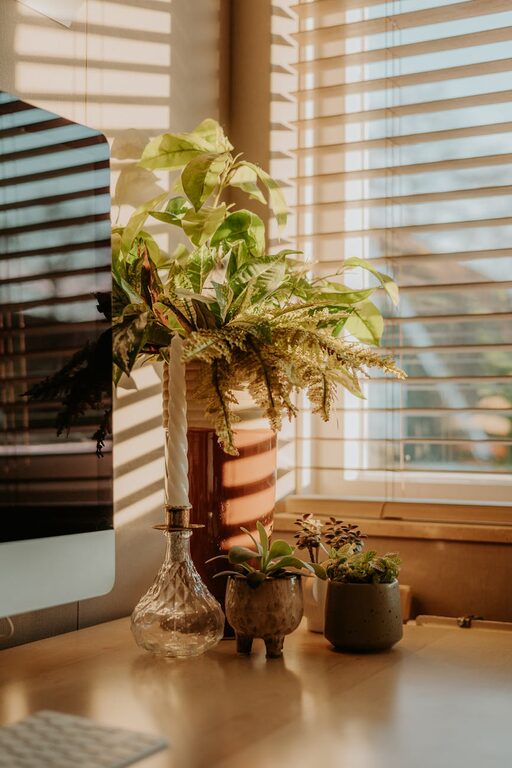
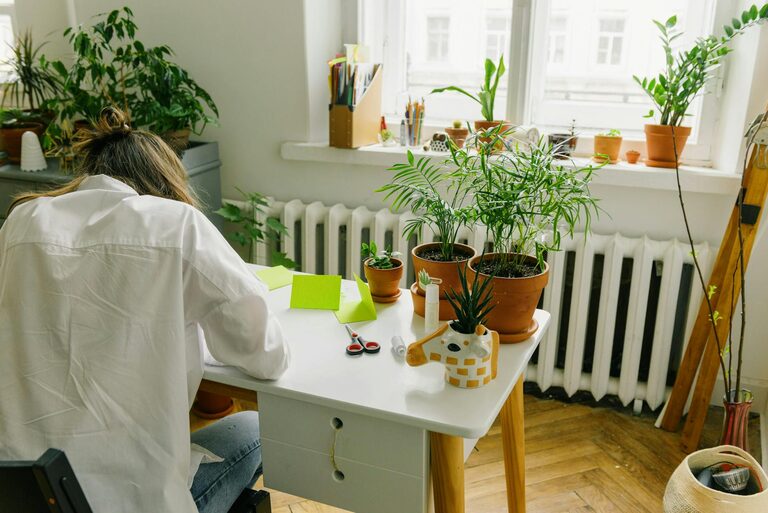
– Plants: Adding greenery can improve air quality and boost mood.
– Personal schedule: Define your work hours and stick to them to create a routine.
– Break reminders: Use apps or alarms to remind yourself to take short breaks to refresh your mind.
These adjustments encourage concentration and help maintain productivity.
Maintain a Healthy Routine
Your workspace setup matters, but so does how you use it.
– Take regular breaks: Follow the 20-20-20 rule—every 20 minutes, look at something 20 feet away for 20 seconds.
– Stretch and move: Stand up, stretch, or walk around to reduce stiffness.
– Stay hydrated: Keep a water bottle nearby to encourage regular drinking.
– Get fresh air: Step outside when possible for a mental reset.
A healthy routine supports comfort and sustained focus over time.
Personalize Without Overcrowding
While productivity is important, making your space feel inviting can motivate you.
– Add artwork: A few simple, inspiring pieces can brighten the space.
– Choose calming colors: Soft blues, greens, or neutrals promote relaxation and concentration.
– Use scents: A subtle diffuser with your favorite scent can make the area pleasant.
Balance personalization with simplicity to keep your workspace both enjoyable and efficient.
Conclusion
Designing a productive home workspace that boosts focus and comfort does not require a major renovation. By choosing the right location, investing in comfortable furniture, organizing efficiently, optimizing lighting, and incorporating focus-enhancing elements, you can create a space where you thrive. Coupled with a healthy work routine and a touch of personalization, your home workspace will support your productivity and well-being every day.
Related Posts
Tips for Creating a Productive Home Office Environment
Creating a productive home office environment is essential for anyone…
Tips for Creating a Cozy and Productive Home Workspace
Creating a home workspace that is both cozy and productive…
Tips for Creating a Relaxing Home Workspace to Boost Productivity
Creating a relaxing home workspace can significantly improve your productivity,…