
Creating a comfortable and productive home office space is essential for making the most of your work-from-home days. Whether you are a full-time remote worker, a freelancer, or someone who occasionally works from home, having a dedicated workspace tailored to your needs can improve focus, reduce stress, and increase your overall work satisfaction.
In this post, we’ll explore helpful tips for designing a home office that supports both comfort and productivity. From choosing the right furniture to organizing your space efficiently, these ideas will help you create an environment where you can thrive.
1. Choose the Right Location
Find a Quiet Spot
Select a part of your home that is quiet and free from frequent distractions. If possible, avoid high-traffic areas like the kitchen or living room during busy hours. A dedicated room or a corner with some privacy can help you focus better.
Consider Natural Light
Natural light is great for boosting mood and energy. Position your desk near a window to take advantage of daylight. If natural light is limited, invest in good quality lighting that mimics daylight to reduce eye strain.
2. Invest in Comfortable Furniture
Ergonomic Chair
A supportive ergonomic chair is one of the most important investments for your home office. Look for a chair with adjustable height, lumbar support, and comfortable padding. Sitting properly helps prevent back and neck pain during long work hours.
Functional Desk
Choose a desk that suits the size of your space and meets your work needs. Whether you prefer a classic desk, a standing desk, or a convertible option, ensure it has enough room for your computer, documents, and other essentials.
Consider Accessories
Footrests, wrist supports, and monitor stands can improve ergonomics. These additions might seem small but can make a significant difference in comfort and posture.
3. Organize for Efficiency
Declutter Regularly
A tidy workspace reduces distractions and helps maintain focus. Keep only essential items on your desk and store other supplies neatly in drawers or shelves.
Use Storage Solutions
Consider shelves, filing cabinets, or modular organizers to keep papers and equipment in order. Label containers or folders for easy access.
Cable Management
Tidy cables not only look better but also prevent accidents or damage to equipment. Use cable ties, clips, or sleeves to keep cords organized.
4. Optimize Technology Setup
Reliable Internet Connection
A strong and stable internet connection is crucial. If your Wi-Fi is unstable, consider using a wired connection or upgrading your router.
Quality Equipment
Invest in a good quality computer, monitor, keyboard, and mouse that fit your work style. Adding a headset with a microphone can improve communication during virtual meetings.
Backup and Security
Regularly back up important files and use security software to protect your data. This ensures your work is safe and minimizes disruptions.
5. Personalize Your Space
Add Inspiring Elements
Decorate your workspace with items that make you feel motivated, such as plants, artwork, or photos. Green plants can improve air quality and add a calming touch.
Use Soothing Colors
Choose colors that help you concentrate and feel relaxed. Soft blues, greens, or neutral tones often work well in workspaces.
Keep It Comfortable
Adjust the room temperature and ventilation to suit your preferences. Having a small fan or heater nearby can help maintain comfort throughout the day.
6. Establish a Work Routine
Define Your Work Hours
Having set start and end times helps create boundaries between work and personal life, making it easier to stay productive during work hours.
Take Regular Breaks
Short breaks every hour improve focus and reduce fatigue. Use this time to stretch, walk around, or practice mindfulness.
Limit Interruptions
Inform family members or housemates of your work schedule to minimize interruptions. Use headphones or “do not disturb” signs if needed.
7. Encourage Movement and Wellness
Incorporate Stretching or Standing
Consider standing desks or desks with adjustable height to alternate between sitting and standing. This reduces the risk of discomfort from prolonged sitting.
Keep Water and Healthy Snacks Nearby
Staying hydrated and nourished supports energy levels and concentration throughout the day.
—
Creating a home office that blends comfort and productivity doesn’t have to be difficult or expensive. By carefully choosing your location, investing in essential furniture, staying organized, and personalizing your space, you can develop a work environment that meets your needs and helps you succeed. Remember, a well-designed home office is an investment in your well-being and professional growth.
Related Posts
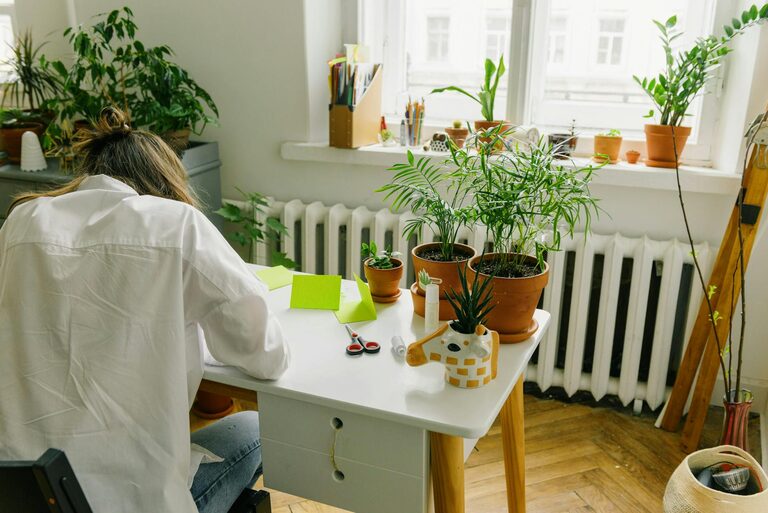
Tips for Creating a Relaxing Home Workspace to Boost Productivity
Creating a relaxing home workspace can significantly improve your productivity,…

Tips for Creating a Cozy and Productive Home Office Space
Creating a home office that feels both cozy and productive…

Tips for Creating a Cozy and Productive Home Workspace
Creating a home workspace that is both cozy and productive…